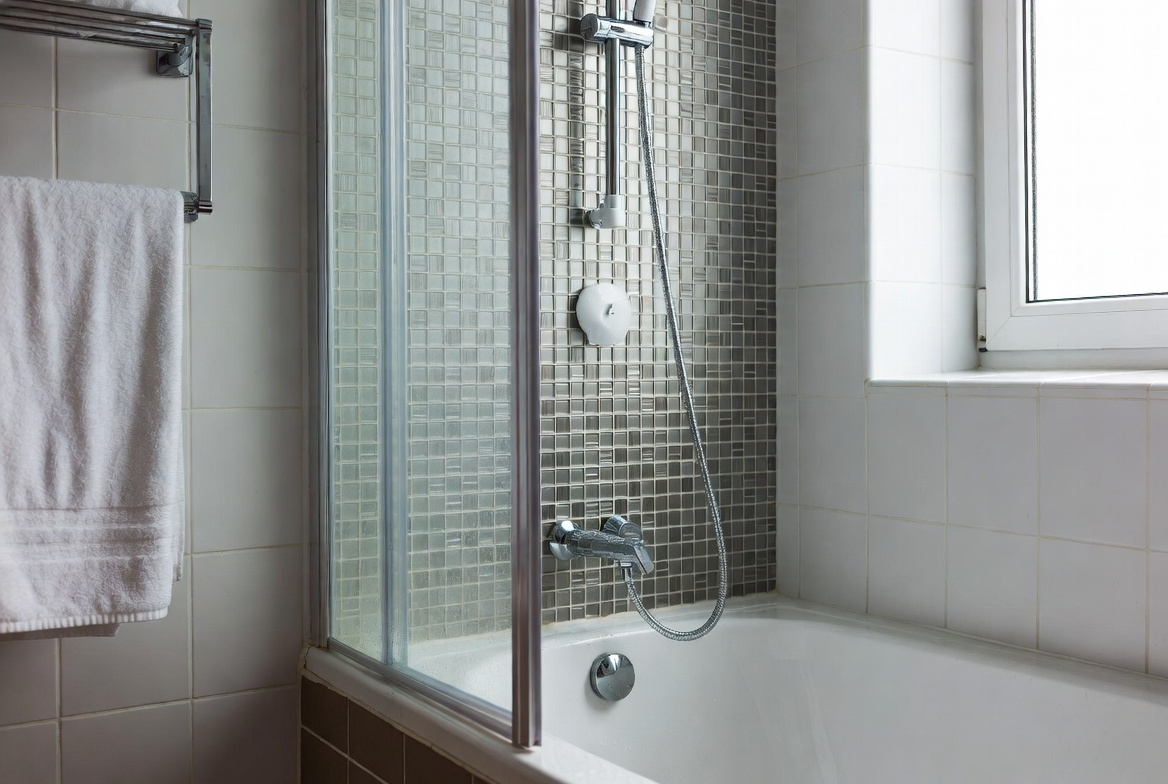
The bathroom is the most searched home renovation topic in the UK in 2025 — and the most regretted. One in five homeowners say they would do it differently if they could. Not because they wanted the wrong thing. Because nobody told them what they were actually getting into.
According to Drench's 2025 renovation research, bathrooms account for 38% of all renovation regrets in the UK — making them the single biggest source of homeowner disappointment across all room types. Poor planning, rushed decisions, wrong contractors, and hidden costs behind the walls are responsible for almost all of it. This guide is the answer to all four.
We cover what UK homeowners are actually searching for and expecting in 2025, the full cost breakdown by region and bathroom type, a frank analysis of what keeps going wrong — and the specific steps that separate a beautiful, lasting bathroom from an expensive regret.
What UK Homeowners Actually Want in 2025
The data tells a consistent story. UK homeowners are not just refreshing their bathrooms in 2025 — they are fundamentally rethinking what the room is for. The bathroom is no longer the most purely functional room in the house. It is increasingly seen as a personal sanctuary: a place to decompress, not just to wash.
Houzz's 2025 UK Bathroom Trends Study — one of the most comprehensive surveys of its kind, covering hundreds of UK homeowners currently renovating or planning to renovate — reveals several striking patterns. Nearly three in five homeowners are enlarging their primary shower during renovation, with a quarter going significantly larger (expanding by more than 50%). One in five are increasing the footprint of the bathroom itself, often by taking space from an adjacent bedroom.
"Bathroom renovation" is expected to be the most-searched home renovation term in the UK by the end of 2025, with a predicted monthly average of 89,810 searches — a 109.9% increase since 2021. This is not a passing trend. It is a structural shift in how British homeowners think about their homes.
The Top Priorities, Ranked by Homeowners
When Houzz asked homeowners what they most want from their renovated bathroom, the results were revealing. The ability to keep the space clean topped the list at 77%, followed closely by easy-access storage and good lighting (both around 48%). One in five said it was essential to plan a space where two people could move around comfortably.
Relaxation is also a key driver. For 78% of respondents, cleanliness was the primary factor that made them feel at ease in their bathroom — but natural light (60%) and a lack of clutter (76%) were nearly as important. More than three-quarters of homeowners say they unwind by lying in the bath, and the proportion choosing a bath large enough for two people rose from one-third to one-half between 2024 and 2025.
What's Driving the Decision to Renovate?
The most common trigger is still straightforward deterioration — over half of homeowners (51%) renovate because the existing space has broken down or degraded beyond tolerance. But the second most common reason is more interesting: 35% simply cannot stand the way the room looks anymore. A further 28% personalised a recently purchased home. The cumulative effect is that homeowners are renovating bathrooms younger — the share who had renovated within five to ten years of their previous renovation rose from 16% in 2024 to 21% in 2025.
According to Hafele's 2024 Homes for Living Report, the single most desired feature is a walk-in shower (45%), followed closely by a heated towel rail (43%) and storage that conceals products (40%). The least desired features? A Bluetooth speaker mirror and open shelving for products on show — both cited by only around one in five homeowners. The message: practicality and concealment beat novelty and display.
The 2025 Design Trends Worth Knowing About
Not all bathroom trends are created equal. Some are worth investing in because they add genuine comfort, function, and resale value. Others look spectacular in a showroom and date badly within three years. Below is a data-led analysis of what is actually trending in UK bathrooms in 2025 — and a frank assessment of what is worth the money.
Double Vanity & Walk-In Shower
Searches for "double vanity" on Houzz are up 746% year-on-year. Walk-in showers with low or no thresholds continue to grow in popularity — 43% of UK homeowners now want one in their ideal bathroom.
Freestanding & Double Shower
Searches for "double shower" are up 172% and "freestanding bath" up 53%. More than a third of renovators now opt for a freestanding tub — a significant shift from the built-in alcove bath that dominated UK bathrooms for decades.
Onyx, Marble & Statement Stone
Searches for "onyx tile" have surged 11-fold, and "marble bathroom" is up 51%. Dramatic veining, coloured stone (green onyx, rich travertine), and full-slab feature walls are replacing the safety of beige porcelain.
Japandi & Biophilic Design
Scandinavian and Japandi styles each grew 3 percentage points year-on-year in Houzz's 2025 data. Natural wood vanity units, wabi-sabi textures, and organic forms are replacing sterile minimalism.
Sustainable Features
87% of renovating homeowners added sustainable features in 2025. LED lighting leads at 72%, followed by water-efficient fixtures (42%) and dual-flush toilets (57%). Sustainability is no longer a premium option — it is the default.
Smart Bathroom Technology
Digital showers with preset temperature and flow, heated mirrors with demist and touch controls, motion-sensor taps, and voice-activated lighting are moving from luxury to mainstream — especially in London and the South East.
The Colour Shift: White is Out, Warmth is In
The all-white bathroom that dominated UK homes for twenty years is retreating fast. In its place: warmer, more textured palettes. Dulux's 2025 forecast points to rich bordeaux and olive greens as the colours of the year. In cabinetry, dark navy and forest green vanity units are replacing grey as the aspirational choice. On walls, limewash plaster, terracotta, and blush pink are gaining traction through tiles and paint alike.
On the floor, large-format porcelain tiles (600x600mm and above) are replacing small mosaics in almost every tier of the market — partly because they are easier to clean, partly because they make spaces feel larger, and partly because the labour cost per m² actually decreases as tile size increases.
Finish Trends: What's Replacing Chrome
Brushed brass, matte black, and brushed nickel have been displacing chrome in UK bathrooms for several years, and the shift accelerated in 2025. Matte black remains the most popular premium finish choice for tap and shower hardware, while brushed brass is increasingly seen in more characterful, high-end projects. The critical rule: pick one finish and commit to it throughout. Mixed metal finishes rarely look as considered in reality as they do in Pinterest mood boards.
Walk-in showers, quality large-format tiles, good extraction, and a heated towel rail have consistent track records for adding comfort and resale appeal. Smart mirrors, onyx feature walls, and bespoke vanity cabinetry are all beautiful — but they are personal choices, not guaranteed value additions. If you are renovating partly for resale, prioritise function and cleanliness above statement finishes.
2025 Costs: What You'll Actually Pay
The honest answer is that bathroom renovation costs vary more than most homeowners expect. A "budget bathroom" and a "luxury bathroom" are not just different quality levels — they reflect entirely different scopes of work. The figures below reflect 2025 market rates across the UK, compiled from BuildPartner, Checkatrade, FMB member data, and MyBuilder price guides.
Renovation Type vs. Cost
| Scope | Typical Cost (UK avg) | London / South East | Time on Site | Value Added |
|---|---|---|---|---|
| Basic Refresh New tiles, basin, taps — no layout change |
£3,000–£6,000 | £4,500–£8,500 | 4–6 days | +2–3% |
| Mid-Range Renovation Full new suite, walk-in shower, minor layout tweaks |
£7,000–£12,000 | £9,500–£15,000 | 7–12 days | +3–5% |
| Full High-End Renovation Premium finishes, layout change, underfloor heating |
£12,000–£20,000 | £15,000–£25,000 | 10–16 days | +5–8% |
| Luxury / Bespoke Stone, custom cabinetry, smart systems, full redesign |
£20,000–£35,000+ | £25,000–£50,000+ | 3–6 weeks | +8–12% |
| Ensuite (New or Refurb) Smaller footprint, shower, WC and basin |
£6,000–£10,000 | £8,500–£14,000 | 7–10 days | +5–10% |
| Wet Room Installation Curbless, tanked, specialist waterproofing required |
£5,000–£12,000 | £7,500–£16,000 | 7–14 days | +3–6% |
Regional Cost Variation
| Region | Basic Refresh | Mid-Range Reno | Full High-End |
|---|---|---|---|
| Central London | £5,500–£9,000 | £11,000–£18,000 | £18,000–£35,000+ |
| Outer London | £4,500–£7,500 | £9,000–£14,000 | £14,000–£25,000 |
| South East | £3,500–£6,500 | £7,500–£12,000 | £12,000–£20,000 |
| Midlands & North | £2,800–£5,000 | £6,000–£9,500 | £9,500–£16,000 |
| Scotland & Wales | £2,500–£4,500 | £5,500–£9,000 | £9,000–£15,000 |
Cost Breakdown by Component
A mid-range bathroom renovation of approximately £9,000–£10,000 in the Midlands typically breaks down as follows. Labour is almost always the dominant cost, comprising 50–65% of the total spend. Getting this breakdown in writing — line by line — before you sign anything is the single most important financial protection you have.
| Stage / Component | Typical Cost (Midlands/North) | Notes |
|---|---|---|
| Strip-out and disposal | £300–£600 | 1–2 days. Check it's included in your quote. |
| Plumbing (no layout change) | £500–£1,000 | Rises to £1,000–£3,000 if pipes are relocated. |
| Electrical work | £400–£900 | Part P compliance required. Don't skip this. |
| Tiling (floor + walls) | £800–£2,500 | Depends heavily on tile choice and pattern complexity. |
| Bathroom suite (bath, WC, basin) | £600–£3,000+ | Wide range. Quality matters for longevity. |
| Walk-in shower enclosure | £500–£2,500 | Frameless glass adds significant cost. |
| Vanity unit & storage | £300–£2,000+ | Custom joinery at the high end. |
| Underfloor heating (electric) | £600–£1,200 | Running costs around £50–£100 per year. |
| Heated towel rail | £150–£600 | Electric vs. central heating connection. |
| Extraction fan upgrade | £100–£350 | Critical. Often skimped on. Critical. |
| Lighting | £200–£800 | IP44-rated fittings required. Don't cut corners. |
| Finishing (paint, silicone, accessories) | £200–£500 | Often not itemised in quotes. Ask explicitly. |
Standard renovation advice recommends a 10–15% contingency. For bathrooms, we recommend 15–20%. Bathrooms sit at the intersection of plumbing, electrics, waterproofing, and tiling — and older UK homes routinely contain surprises behind the walls that cannot be identified before strip-out begins. Rotten joists, degraded soil pipes, asbestos floor tiles, inadequate waterproofing from a previous renovation: all of these are discovered after the walls come down. The contingency is not pessimism. It is preparation.
Timeline: How Long Does a Bathroom Renovation Take?
Most bathroom companies advertise the build phase prominently — "completed in 7–10 days!" — and skip over the planning and procurement phase. For the homeowner, the full project timeline is what matters.
| Phase | Duration | What Can Go Wrong |
|---|---|---|
| Design & specification | 1–4 weeks | Rushed decisions lead to regret. This is the most important phase. |
| Contractor selection & quoting | 1–4 weeks | Accepting the first quote without comparison. Not vetting credentials. |
| Fixture & material procurement | 2–10 weeks | Bespoke or imported items with long lead times delaying site start. |
| Strip-out & preparation | 1–2 days | Hidden structural issues discovered. Waterproofing inadequacies revealed. |
| First fix plumbing & electrics | 1–3 days | Soil pipe complications. Inadequate boiler capacity for new layout. |
| Tiling | 2–5 days | Pattern complexity taking longer than quoted. Grout colour disputes. |
| Second fix & fitting | 1–3 days | Fixtures arriving damaged or incorrect. Lead time failures. |
| Snagging & completion | 1–2 days | Contractors reluctant to return for snags once final payment made. |
The realistic total for a mid-range renovation — from first design conversation to stepping into a finished bathroom — is 6–12 weeks. Allow more if you are using bespoke cabinetry, natural stone, or imported tiles with longer lead times.
Order every item — tiles, sanitaryware, taps, vanity units, lights — before you agree a start date with your contractor. Do not start work until everything is physically on site or confirmed for delivery within 48 hours. The most common causes of bathroom projects running weeks over time are not construction problems. They are supply chain delays on items that could have been resolved with earlier procurement.
Does a New Bathroom Add Property Value?
The short answer is yes — but not as much as most homeowners hope, and with meaningful caveats. A well-executed bathroom renovation typically adds 3–5% to a property's value, according to data from FMB members and property research. For a £400,000 home, that translates to £12,000–£20,000 in cash terms. A renovation that cost £10,000 returning £15,000 is a reasonable outcome — but it is not guaranteed, and it depends heavily on specification, presentation, and the local market.
Where the Value Really Comes From
Property experts consistently observe that bathrooms add value less through the renovation itself than through the speed at which they allow a property to sell. A dated, tired bathroom is one of the most common reasons buyers offer below asking price or lose interest entirely. A well-presented bathroom removes that obstacle — and in a competitive market, removing obstacles is worth money.
Creating a new ensuite where none previously existed is the highest-value bathroom intervention available to most UK homeowners. An ensuite bathroom upgrades a master bedroom into a fundamentally different tier of property. In the South East, the right ensuite conversion can add 8–12% to a property's value — exceeding the renovation cost in many cases.
Full bathroom refurbishment: +3–5% (national average). New ensuite addition: +5–10%. Wet room installation: +3–6% (more in accessible living markets). Cloakroom addition: +5% (where space permits). Remember: a bathroom renovation returns roughly 60–80% of its cost on resale. The primary value is not financial — it is the daily quality of life improvement.
Real Complaints: What Keeps Going Wrong
Bathrooms are the single biggest category of renovation regret in the UK. Research by Drench in 2025 found that 38% of homeowners who regret a renovation point to their bathroom — and almost half of those who expressed regret (45%) admit they wasted thousands on projects that didn't go to plan. The complaints are strikingly consistent.
The Most Frequent Complaints, From Trustpilot and Beyond
"They tiled directly onto plasterboard. Within 18 months we had damp patches on the ceiling of the room below. When we pulled the tiles, we found mould through the entire wall cavity. The original quote was £6,500. The remediation cost £9,000."
"The company went into voluntary administration two weeks before our bathroom was finished. We had paid 70% upfront. We were left with a half-tiled room, no toilet, and no legal recourse."
"The shower was installed without proper tanking. We had a slow leak for months before we noticed. By the time we found it, there was structural damage to the floor joists. We thought we'd had a beautiful renovation. We'd actually had a ticking clock."
The Seven Complaints That Come Up Again and Again
- Poor waterproofing causing leaks and mould. The most common — and most expensive — failure mode. Tiling onto standard plasterboard without a waterproof backer board and tanking membrane is a near-guarantee of future problems. It also reduces the visible cost of a quote, making it look competitive. It is not.
- Contractor disappearing mid-project. Down payments are taken, work begins, contractor becomes unavailable. This pattern — whether through business failure, overbooking, or deliberate avoidance — is consistently among the most reported bathroom renovation problems in the UK.
- Costs significantly exceeding quotes. The initial quote was competitive. Then extras began: additional waterproofing work "we couldn't see until we opened the wall", soil pipe complications, structural issues. Some overrun is inevitable and legitimate. Systematic underquoting to win work, with extras piled on after commitment, is not.
- Poor communication and missed deadlines. In Houzz's 2025 data, 38% of homeowners cited getting timely communications from their contractor as their biggest renovation challenge. 33% said obtaining detailed estimates was difficult. These are not minor inconveniences — they are warning signs of project management failure.
- Inadequate extraction leading to persistent damp. Bathroom extraction is unglamorous, routinely under-specified, and frequently an afterthought. The consequence — chronic condensation, mould on grout, damage to adjacent rooms — is extremely common and deeply annoying to live with.
- Rushed design decisions, wrong tiles, wrong layout. Poor planning and rushed purchase decisions were the primary self-identified causes of bathroom renovation regret in Drench's 2025 research. 14% of regretful homeowners spent less than a week planning. Bathrooms typically benefit from several weeks of decision-making, layout testing, and material review.
- Snagging issues unresolved after final payment. Once final payment is made, the contractor's incentive to return for minor remedial work reduces sharply. Retain a meaningful percentage — typically 5–10% — until all snagging items are resolved to your satisfaction. Agree this in writing before any work begins.
Red Flags: How to Spot a Problem Contractor Before You Hire One
The majority of bathroom renovation problems are predictable — and preventable. Most originate in the contractor selection phase. These are the warning signs that, with hindsight, homeowners almost always say were visible before the first tile was laid.
- Quote significantly lower than all others received. The most reliably dangerous indicator. A quote that is 30–40% below others received for the same scope of work almost always indicates either deliberate underquoting with the intention of adding extras later, or corners being planned on the work you cannot see — primarily waterproofing and pipework.
- Verbal quotes only — nothing in writing. A professional contractor will provide a written, itemised quote without being asked. If you receive only a verbal estimate, or a single lump-sum figure with no breakdown, walk away.
- No verifiable reviews on Trustpilot, Google, or Checkatrade. A bathroom fitter who cannot point you to a trail of verified reviews from real, named clients has either not done many jobs, or has done jobs people didn't want to review. Neither is reassuring.
- Requests a large deposit upfront — 50% or more. A standard payment schedule for bathroom renovation is: deposit on instruction (10–20%), stage payment at first fix (30–40%), final balance on satisfactory completion (30–40%). Any request for 50% or more upfront before work begins is a significant risk signal.
- No clear answer on waterproofing or tanking approach. Ask directly: "What waterproofing membrane will you apply before tiling the shower area, and what backer board will you use?" A professional will answer immediately and confidently. Evasiveness or vagueness on this question is a reliable indicator of future problems.
- Cannot confirm public liability insurance or gas/electrical competency. Public liability insurance is not optional for anyone working in your home. Electrical work in bathroom zones requires either a Part P-registered electrician or a formal building regulation notification. If a contractor cannot confirm either, do not proceed.
- Pressure to decide immediately. "This price is only available today" is not a professional negotiating position. It is a closing technique designed to prevent you from obtaining competitive quotes. A contractor confident in their work does not need to rush your decision.
Your 9-Step Guide to a Bathroom Renovation That Doesn't End in Regret
Most bathroom renovation failures are not the result of bad luck. They are the result of avoidable decisions made in the planning phase. Follow these nine steps and you will not be in the 38%.
-
1
Spend real time on design before you spend any money on work
Minimum four weeks. Use Houzz, Pinterest, and manufacturer 3D planning tools. Make decisions about tile size, grout colour, tap finish, vanity style, and layout before any contractor arrives. Changing your mind once tiling has begun is extremely expensive. It is free during planning.
-
2
Establish your non-negotiables and your nice-to-haves
Walk-in shower: non-negotiable. Smart mirror with Bluetooth: nice-to-have. Underfloor heating: depends on budget. This hierarchy is what lets you give a clear brief to contractors and protect against budget creep during specification.
-
3
Get three written, itemised quotes from verified contractors
Not three verbal estimates. Three written, line-item quotes covering labour, materials, waterproofing, electrical, waste removal, and a payment schedule. Compare them against each other. The differences in what is included and excluded will tell you far more than the headline price.
-
4
Verify credentials, insurance, and references before committing
Check public liability insurance. Confirm Gas Safe or NICEIC/NAPIT registration if applicable. Read reviews on Trustpilot, Google, or Checkatrade — and look at the one-star reviews as carefully as the five-star ones. Ask for the contact details of two recent customers and actually call them.
-
5
Ask specific questions about waterproofing before you sign anything
"What backer board will you use in the shower area?" and "Can you walk me through your tanking process?" are the two most important questions you can ask a bathroom fitter. The answers tell you more about quality than any number of glossy before-and-after photos.
-
6
Order all fixtures and materials before agreeing a start date
Everything. Tiles. Sanitaryware. Taps. Vanity unit. Lights. Shower enclosure. Everything must be physically present or confirmed for delivery before work starts. Supply chain delays are the most common cause of projects running over time — and they are entirely preventable.
-
7
Agree a written payment schedule with a final retention
Typical: 15–20% deposit on instruction, 35–40% at first fix completion, 35–40% on completion with 5–10% retained for 14 days pending satisfactory resolution of all snag items. Any deviation from a structured payment schedule in your favour should be declined — and any demand for over 50% upfront should end the conversation.
-
8
Budget a 15–20% contingency — and do not touch it unless you have to
Strip-out routinely reveals problems invisible from the outside: rotten joists, old waterproofing failures, corroded pipework, asbestos floor tiles. These are not the contractor's fault. They are the reality of UK housing stock. If you don't spend the contingency, you've had a good project. If you do, you were prepared.
-
9
Prepare a snagging list and withhold the final payment until it is resolved
Walk through the completed bathroom methodically before making final payment. Run every tap. Test every flush. Check grout lines for consistency. Run the shower. Look at tile alignment at eye level and from the doorway. Compile a written snagging list and attach it to your final payment request. Release final payment only when every item is closed.
Where GetMaster Fits In
GetMaster was built because finding a reliable, properly vetted bathroom fitter should not require a slightly anxious WhatsApp to your neighbour and a lot of hope. Here is what we actually do differently.
GetMaster: Built for Exactly This Problem
Every bathroom specialist on GetMaster goes through a verification process before they can receive a single enquiry. We check. We verify. We keep checking.
ID-Verified Professionals
Every contractor is identity-verified. No anonymous operators, no untraceable sole traders with a Pay As You Go number and no forwarding address.
Real Reviews, Real Jobs
Our reviews are tied to verified completed jobs — not self-submitted, not fabricated. A 4.9 on GetMaster is 4.9 from people who actually had bathrooms fitted.
Transparent, Itemised Pricing
Quotes are written, itemised, and logged on the platform. No verbal agreements. No "we'll sort the rest out later" — later is where bathroom disputes are born.
Insured & Trade-Verified
We verify that bathroom specialists hold appropriate public liability insurance, hold relevant trade registrations, and have a demonstrable track record for the type of project you need.
We're Here If Things Go Wrong
Unlike a recommendation site that offers a £1,000 gesture and a sympathetic email, we take complaints seriously. If a GetMaster professional causes a problem, we're part of the resolution.
Fast, Local Matching
We match you with bathroom specialists available in your area and within your timeline, with demonstrable experience in your project type. Not the next person available with a grout gun.
We can't make tile deliveries faster or labour costs lower. What we can do is ensure the professional who shows up at your door is who they say they are, does what they say they'll do, and has skin in the game if they don't. Based on the data in this article, that is exactly what too many UK homeowners needed and didn't have.
Frequently Asked Questions
Ready to Do This the Right Way?
GetMaster connects you with ID-verified, insured bathroom renovation specialists across the UK — with real reviews, itemised quotes, and someone in your corner if something goes wrong. Because a bathroom renovation should be exciting, not a source of regret.
Rated 4.9/5 · ID-Verified Professionals · No commitment required · Based in UK