Why 2026 Is the Year of the Home Spa
Gone are the days when the bathroom was purely functional. In 2026, the "home spa" effect has officially taken over British interiors — and the data backs it up. Over 10% of UK homeowners are planning a bathroom renovation this year, according to industry research, making bathrooms one of the most-invested rooms in the country.
The shift is deeper than aesthetics. After years of prioritising other rooms, British homeowners have realised that the bathroom — a space typically visited multiple times every day — deserves the same attention as the kitchen or living room. From Glasgow to Bristol, the conversation has moved from "functional" to "restorative." The bathroom is now a wellness destination.
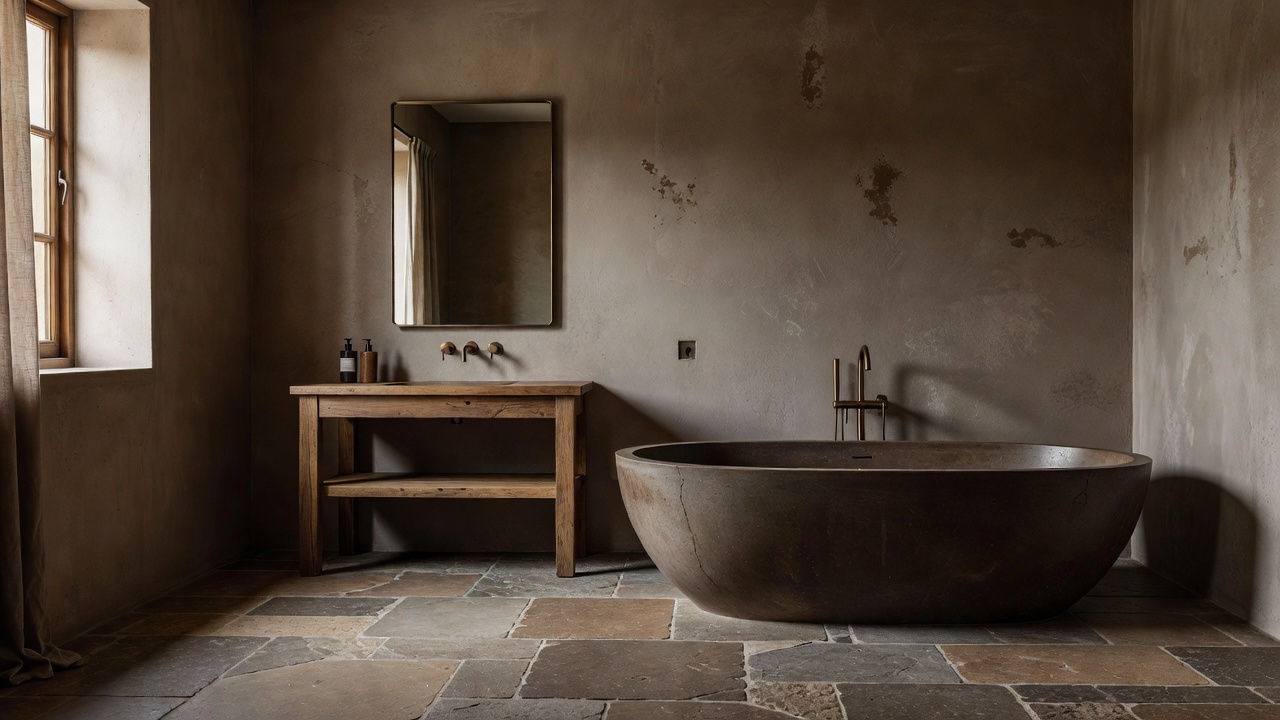
The trend is being driven by several converging factors. Remote and hybrid working means homeowners spend more time at home. Rising energy costs have made the bathroom — with its underfloor heating, smart showers, and efficient LED systems — a natural focus for sustainable investment. And the influence of boutique hotels and luxury spa culture has permanently raised expectations for what a home bathroom can feel like.
Scotland's colder climate makes the bathroom particularly important as a warm, restorative space. Wet rooms with barrier-free access, underfloor heating, and towel radiators are seeing a 45% rise in demand across Glasgow, Edinburgh, and Aberdeen — partly driven by the demand for accessible design that suits all ages.
The 8 Biggest UK Bathroom Trends for 2026
These are not micro-trends destined to date within a season. Each has been identified across multiple leading UK design publications, Victorian Plumbing, Roper Rhodes, and Ideal Home's annual trend surveys — making them solid investment choices for any renovation planned this year.
Wet Room vs. Freestanding Bath: Which Is Right for You?
This is the defining design question of 2026's bathroom market, and it doesn't have a single right answer. The choice depends on your space, lifestyle, household, and long-term property goals.
Ready for a Bathroom Upgrade in Glasgow?
Don't wait! Get matched with verified local plumbers and bathroom specialists. Compare quotes instantly and safely.
Get Free Quotes Now →The Case for Wet Rooms & Walk-In Showers
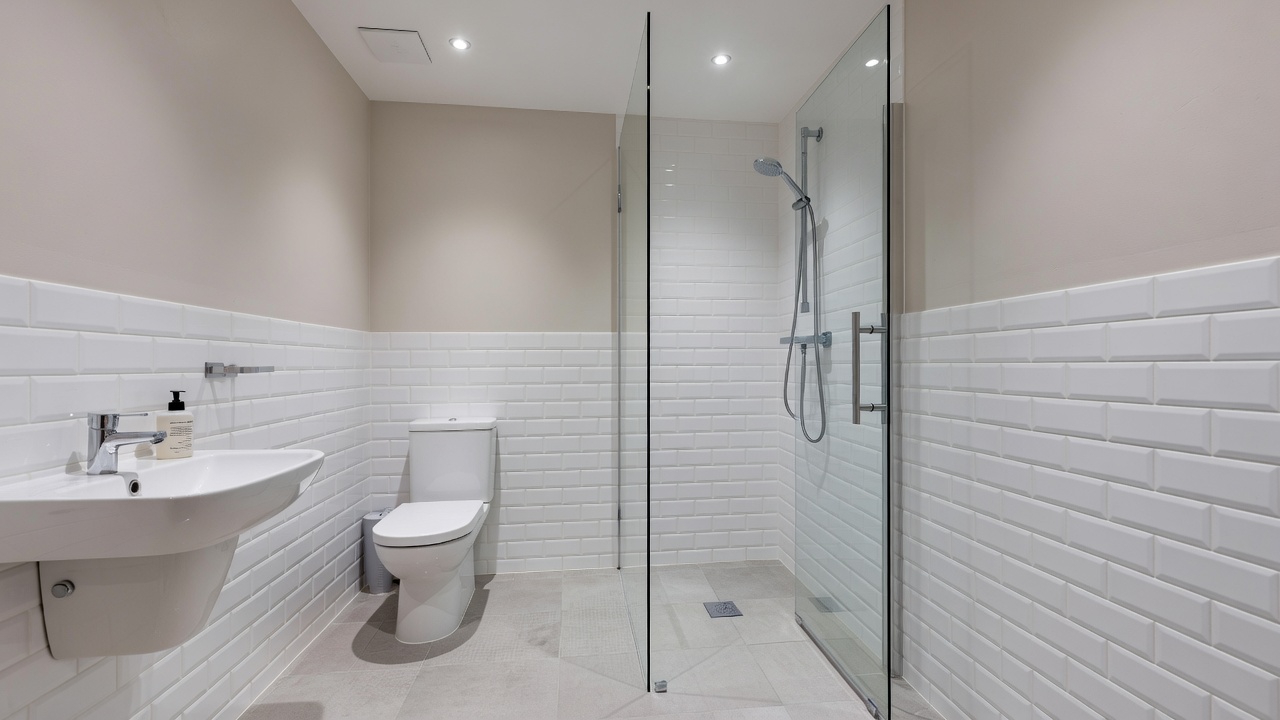
Wet rooms and barrier-free walk-in showers are winning the practicality battle in 2026. For busy households, high-pressure rainfall showers are increasingly prioritised over long soaks. They create a clean, open feel, are far easier to clean than traditional cubicles, and — critically — offer excellent accessibility for all ages. In Scotland, where accessible design is increasingly valued by buyers, a well-executed wet room is one of the strongest property investments available.
Wet room installation costs in the UK start from around £5,500, rising to £10,000–£15,000 for a luxury finish with large-format tiles, frameless glass, and a freestanding bath within the wet zone. The waterproofing (tanking) stage is the most critical — and the stage where cutting corners causes the most expensive long-term problems.
The Case for Freestanding Baths
The sculptural freestanding bath remains the definitive visual centrepiece of the home spa aesthetic. Stone resin and composite models retain heat for longer than standard acrylic baths, and their placement — ideally against a window or beside a statement wall — instantly elevates any bathroom. For properties with sufficient space, a freestanding bath adds enormous kerb appeal and emotional resonance that walk-in showers, for all their practicality, cannot match.
If your space and budget allow, a "wet zone" that incorporates both a walk-in rainfall shower and a freestanding bath is the single highest-value configuration for a 2026 UK bathroom renovation. It appeals to the widest range of buyers and delivers both practical daily functionality and weekend luxury bathing.
Colour Trends: From Clinical White to Full-Room Drenching
The all-white bathroom has had a long run. In 2026, colour is taking centre stage — not as a single feature wall, but as a confident, room-wide commitment. Leading UK design brands and retailers are seeing the strongest demand for colour in bathrooms that they've recorded in over a decade.
The defining colour technique of 2026 is colour blocking — using distinct colours to create visual structure. This builds on 2025's colour drenching trend (wrapping a room in a single shade) and adds more playful contrast. A deep sage green lower wall paired with a warm ochre ceiling and natural stone tiles is a look that multiple design studios have highlighted as the fresh alternative to grey-on-grey minimalism.
Monochromatic pastel schemes are also emerging strongly: imagine an entire wet room — walls, floor, and even the basin — wrapped in one calming shade like soft pistachio green or dusty blue. The texture adds interest rather than bright patterns, making the space feel wonderfully serene.
Scotland's lower average light levels (particularly in north-facing bathrooms) make warm, mid-depth colours particularly effective. Sage green, warm clay, and soft ochre absorb diffuse northern light and reflect it warmly back into the room — far more successfully than clinical white, which can look grey and cold in a poorly lit Glasgow bathroom. Pair your chosen colour with warm-toned LED lighting (2700K) for maximum effect.
Materials and Textures Dominating 2026
Fluted & Textured Surfaces
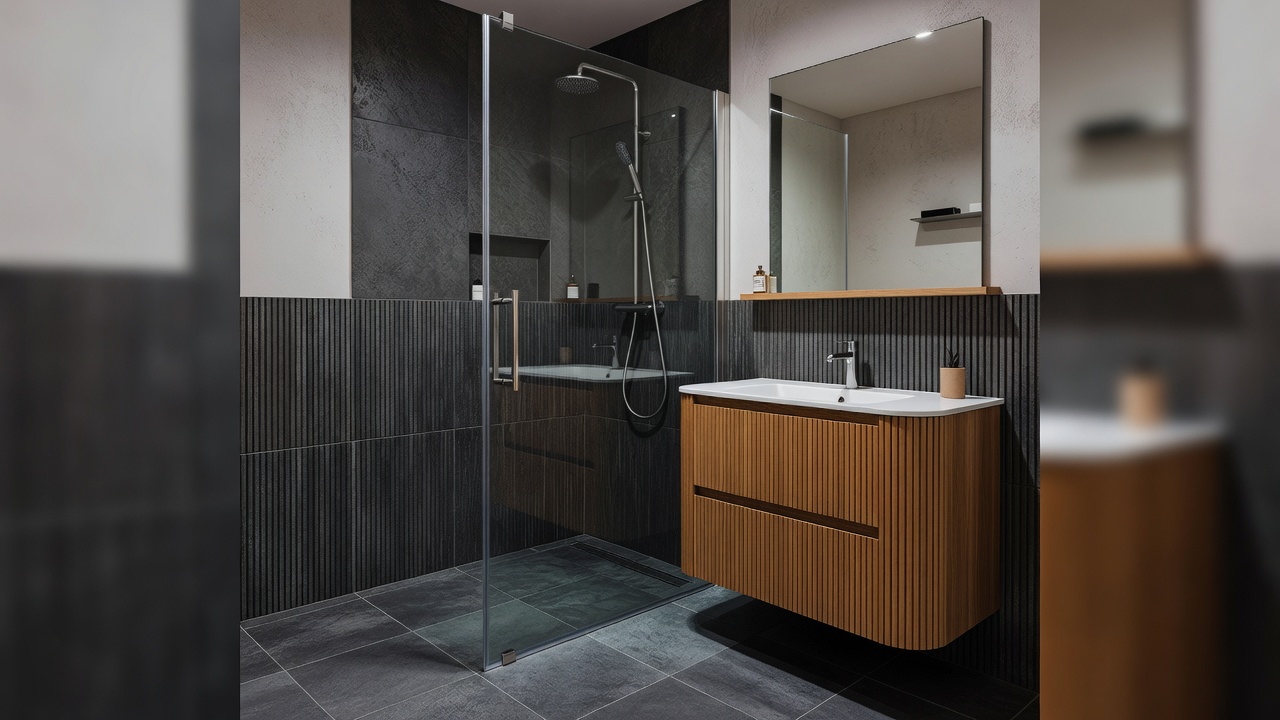
Flat, glossy tiles are giving way to surfaces with depth and character. Fluted finishes — originally common on radiator covers and joinery — have moved decisively onto tiles, bath panels, and vanity unit doors. They introduce warmth, light play, and visual interest while remaining easy to maintain. On walls behind sinks or as shower area feature panels, fluted tiles are one of the highest-impact design choices available in 2026.
Microcement
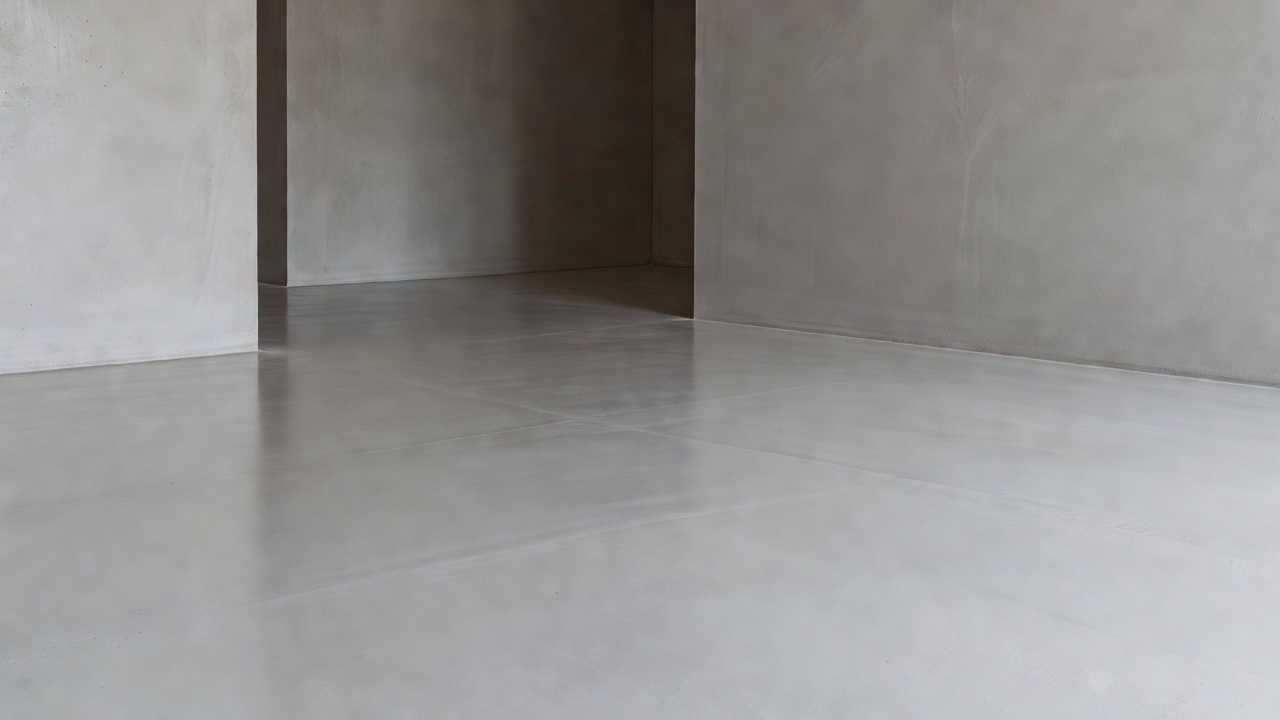
Microcement continues its rise as the material of choice for homeowners who want a seamless, spa-like finish without grout lines. Applied across walls, floors, and even basins, it creates a warm, minimal continuity that's particularly effective in wet rooms. It does require professional application and careful sealing — not a DIY project — but the result is genuinely striking and highly durable.
Warm Wood
Wood brings instant warmth to what can otherwise be a cold, clinical space. Oak and walnut vanity units, teak shower boards, and bamboo shelving all feature prominently in 2026's material palette. The key is choosing moisture-resistant, properly sealed options — sustainable sourcing is also increasingly important to UK buyers and something premium brands now consistently highlight.
Large-Format & Patterned Tiles
Large-format tiles (600×1200mm and above) reduce grout lines and create a cleaner, more expansive look — particularly effective in smaller Scottish bathrooms where every visual trick to create space matters. Meanwhile, patterned encaustic tiles are making a strong return for floors, bringing character and heritage revival energy to contemporary schemes without overwhelming a room.
For a low-maintenance alternative to tiles that still delivers the warm, spa look, wood effect waterproof wall panels are having a significant moment in 2026. They're quicker to install (no grout required), fully waterproof, and cost less in labour. A practical choice for landlords refreshing rental properties or homeowners on a tighter budget.
Smart Bathroom Technology: What's Worth the Investment in 2026
The technology once seen only in high-end London hotels is becoming standard in Glasgow renovations. Remote systems, app-connected controls, and pre-set profiles are increasingly accessible in price, and they add both genuine daily convenience and long-term energy efficiency. Here's a practical breakdown of what's available and what it costs.
All electrical work in bathrooms — including smart mirror installations, heated towel rails, underfloor heating, and shower systems — must be carried out by a Part P certified electrician in England and Wales, or a similarly qualified professional in Scotland. Bathroom electrics are strictly regulated due to water proximity. This is not an area for DIY.
How Much Does a Bathroom Renovation Cost in the UK in 2026?
There is no single price for a bathroom renovation — but there are well-established ranges. The average UK full bathroom renovation costs approximately £6,500–£7,000 in 2026, including labour and materials, according to data from Checkatrade, AMA Research, and multiple independent UK bathroom installers. Labour typically accounts for 45–60% of total spend.
Itemised Cost Breakdown
Understanding where your budget goes makes planning significantly easier and helps you make smarter trade-offs. Labour accounts for the largest single chunk — a specialist plumber, tiler, and electrician each charge £150–£350 per day in the Glasgow area (slightly lower than London rates).
Indicative UK figures, 2026. Glasgow and West Scotland rates typically run 5–10% below London and South East prices. Always get at least three itemised written quotes.
Moving plumbing — relocating a toilet, shifting a shower drain, repositioning the basin — can add £500–£1,500 to your total cost. Keeping your existing layout and upgrading fixtures, finishes, and lighting within the same footprint is consistently cited by UK bathroom fitters as the most effective way to maximise value for money. Set aside a contingency fund of 10–15% of your total budget for unexpected discoveries behind old walls and floors.
Adding Property Value: What Actually Works
A well-executed bathroom renovation can add between 4% and 7% to your total home value, according to industry research cited by the Federation of Master Builders. But not all bathroom investments return the same. Here's what the evidence shows about which upgrades genuinely move the needle for UK buyers.
What Adds the Most Value
Quality waterproofing and tanking is the foundation — a wet room or shower renovation that leaks within five years is a liability, not an asset. Buyers and surveyors are alert to signs of damp and water damage. After that, a high-spec wet room or walk-in shower, quality tiling in a timeless material (large-format porcelain, natural stone effect), and underfloor heating consistently top the list of value-adding features in UK property surveys.
A freestanding bath in a large enough space adds significant visual and emotional appeal, and may be the feature that converts an interested buyer into an offer. However, it should never be installed at the expense of shower provision — buyers require at least one functional shower in every bathroom.
What to Avoid
Heavily personalised choices — very bold colour schemes, unusual tile patterns, or elaborate bespoke joinery — may appeal to you but narrow buyer appeal. Similarly, installing smart technology that requires proprietary apps or specialist servicing can deter buyers who value simplicity. The sweet spot is quality, timeless materials with thoughtful functional upgrades rather than highly personalised aesthetic statements.
Waterproofing (tanking) is the most critical stage of any wet room or shower renovation. It is also the stage most commonly cut short on cost. A failed waterproofing job that causes water to penetrate into floor joists or adjacent walls can cost £5,000–£15,000 to remediate. Always confirm your contractor's tanking specification in writing before work begins, and never allow this stage to be rushed.