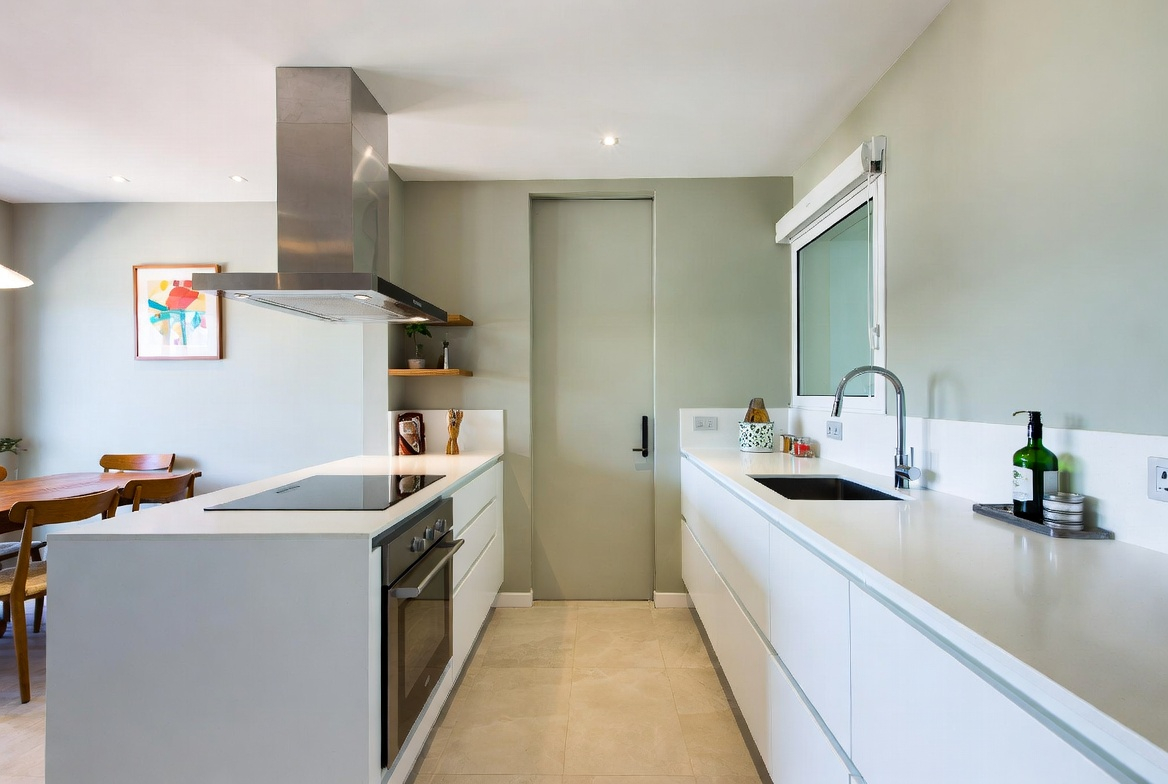
If there is one room that defines the feel, function, and resale value of a British home, it is the kitchen. In 2026, the era of the sterile, high-gloss white box is over. Today's kitchens are warm, textured, deeply personal spaces that bleed seamlessly into the living room. But they are also a logistical minefield — involving plumbers, electricians, plasterers, and joiners — where a single poor decision can cost thousands.
Whether you are replacing an ageing kitchen with a like-for-like refresh, fitting out a new build, or doing a full structural renovation to open up your ground floor, the cost variables in a kitchen project are significant — and the gap between what people budget and what they actually spend is wider here than almost any other room in the house.
This guide covers what UK homeowners are searching for and demanding in 2026, the full cost breakdown from budget refresh to bespoke installation, the real IKEA vs Howdens decision, what keeps going wrong — and the steps that separate a kitchen you love from one you regret.
What UK Homeowners Actually Want in 2026
The data from Google Trends and industry surveys tells a clear story. UK homeowners are not simply replacing worn-out kitchens — they are fundamentally rethinking what the room is for and what it should feel like. The kitchen is no longer a purely functional utility space tucked behind a door. It is the social and visual centrepiece of the home, expected to work hard at every hour of the day.
The biggest single shift in 2026 is what the industry has started calling the "Unfitted Kitchen" aesthetic — a deliberate move away from the uniformity of fitted cabinetry running wall to wall, and toward a more relaxed, layered look that feels as though the kitchen evolved organically rather than being installed in a single week. Think freestanding larder units alongside fitted cabinets, open shelving between runs of cabinetry, and the visual warmth of natural materials throughout.
UK monthly searches for "new kitchen" and "kitchen renovation" consistently exceed 70,000–80,000, making it one of the top three home improvement search categories alongside bathrooms and extensions. Searches for "quartz worktops UK", "kitchen island ideas" and "hidden pantry kitchen" have grown strongly year on year since 2022. The appetite is not slowing.
The Trends That Define the 2026 UK Kitchen
Warm Earthy Tones
Sage green, terracotta, and deep chocolate brown are firmly replacing cool navy blue and grey. The kitchen is warming up — literally and figuratively.
The Hidden Pantry
A dedicated pantry unit — walk-in or double-door — where appliances and clutter disappear entirely is the most requested single feature of 2026. The worktop must look clear.
Natural Wood & Stone
Walnut and oak finishes, exposed brick accents, stone splashbacks and textured surfaces. The all-smooth, all-gloss kitchen is dated. Texture is everything.
The Statement Island
The kitchen island has evolved from a practical prep surface to the social anchor of the room. Waterfall quartz edges, pendant lighting above, and seating for four or more are standard requests.
Open Plan Flow
65% of homeowners renovating in 2026 are removing at least one wall to create a kitchen-diner or kitchen-living integration. The isolated kitchen is disappearing from British homes.
Sustainable Specification
Energy-rated appliances, LED task lighting, recycled material surfaces, and water-efficient taps are now standard expectations rather than premium upgrades in mid-range kitchens.
Quartz: Still the Worktop of Choice
Despite the rise of natural stone alternatives including honed granite and sintered stone (Dekton, Lapitec), quartz remains the worktop of choice for the UK mid-market in 2026. Its combination of durability, stain resistance, low maintenance, and consistent appearance at a more accessible price point than natural stone makes it the most specified worktop material across all UK regions. Budget for £400–£900 for a standard-sized quartz worktop, with premium options — large-format slabs, book-matched veining — running considerably higher.
For budget-conscious homeowners, high-quality laminate worktops have seen a significant design improvement. Modern laminate accurately mimics stone, marble, and wood grain at a fraction of the cost — typically £150–£350 for a standard kitchen. The gap in visual quality between premium laminate and mid-range quartz is genuinely narrower than it was five years ago, and for families with young children who will use a kitchen hard, laminate's replaceability is a practical advantage.
The Big Decision: IKEA Dry Fit vs Trade Supplier (Howdens)
This is the crossroads every UK homeowner faces, and it is one of the most consequential decisions in a kitchen project — because it affects not just the cost of the cabinets but the total project cost, the installation timeline, and the long-term durability of the result.
IKEA / Consumer-Direct (Dry Fit)
£2,000–£4,000 labour- Full control over design and specification
- Highly customisable with hundreds of door options
- Units available immediately — no wait time
- Online planning tool makes self-design accessible
- Flat-pack assembly takes 1–2 extra days of fitter time
- You must organise plumber and electrician separately
- Thinner back panels than trade-spec units
- Fitter may not be willing to warranty IKEA-sourced units
Trade Supplier — Howdens, Wren, Magnet
£5,000–£10,000 supply & fit- Units arrive rigid (pre-built) — saves 1–2 days labour
- Thicker back panels and sturdier leg system
- Fitter manages the full project including supply chain
- Trade pricing means combined supply and fit often competitive
- You cannot see the exact unit cost (trade-only pricing)
- Design choices made through the fitter, not directly
- Reliant on your fitter's supplier relationship and honesty
The Honest Verdict
For most UK homeowners renovating a standard-sized kitchen, the trade supply-and-fit route through a supplier like Howdens delivers better overall value when you account for the full cost of fitting. The rigidity of trade cabinets (arriving pre-built rather than flat-pack) saves your fitter a full day of assembly, which at day rates of £200–£350 directly offsets the perceived saving of buying IKEA units yourself.
The IKEA route makes most sense when you have strong design preferences that a trade supplier cannot meet, when you are working to a very tight budget, or when you already have a kitchen fitter you trust completely who is comfortable quoting on IKEA-sourced units. In all other cases, the supply-and-fit model is more straightforward, better quality, and more reliably priced.
Whichever route you choose, ask your kitchen fitter directly: "If you are buying through Howdens, can I come to the showroom with you to walk through the specification?" A fitter with nothing to hide will say yes. This ensures you understand exactly what grade of cabinet and door style you are getting, and prevents any misunderstanding about specification later in the project.
Bespoke and Painted Kitchens
Beyond IKEA and Howdens lies the bespoke and semi-bespoke market — painted in-frame kitchens, solid wood cabinets, and fully custom joinery. This is a different category entirely, typically starting from £15,000 and rising to £40,000+ for a full bespoke installation. The quality difference is real and significant. Bespoke kitchens are built to last 20–30 years with proper maintenance; trade-spec rigid units typically have a meaningful quality lifespan of 10–15 years. The premium is justified — but only if it fits your budget and your intentions for the property.
2026 UK Kitchen Costs: The Full Breakdown
Kitchen renovation costs vary enormously depending on the scope of work, the quality of materials, and the extent of associated trades required. The figures below reflect current 2026 UK market rates, based on industry cost benchmarks from Checkatrade, MyBuilder, and trade cost data.
| Scope of Work | Typical Cost (UK Average) | What's Included |
|---|---|---|
| Budget Refresh | £1,500–£3,000 | New doors, new worktop, same cabinet carcasses. No plumbing or electrical changes. No new appliances. |
| IKEA Dry Fit (labour only) | £2,000–£4,000 | Assembly and fitting of flat-pack units, cutting worktops, fitting sink and appliances in existing positions. Excludes units (£1,500–£4,000 extra) and any plumbing or electrical work. |
| Standard Supply & Fit | £5,000–£10,000 | Howdens or Wren rigid units, laminate or mid-range quartz worktop, basic plumbing connections, appliance fitting. Excludes appliances, flooring, and decoration. |
| Full Kitchen Renovation | £12,000–£25,000+ | Full strip-out, plastering, new electrical circuits, quartz worktop, premium appliances, full redecoration, new flooring. |
| Bespoke / High-End | £25,000–£60,000+ | In-frame or hand-painted solid wood cabinets, stone worktops, integrated appliances throughout, bespoke joinery, underfloor heating, full architectural remodelling. |
Costs Not Included in the Above
The figures above cover cabinetry and fitting. They do not include several categories that are almost always part of a real kitchen project and that can add significantly to total cost:
| Additional Item | Typical Cost | Notes |
|---|---|---|
| Kitchen appliances | £1,500–£8,000+ | Oven, hob, extractor, dishwasher, fridge-freezer. Budget and integrated ranges vary widely. |
| New flooring | £500–£2,500 | LVT, porcelain tile, or engineered wood. Underfloor heating adds £800–£1,500 more. |
| Decoration & plastering | £400–£1,200 | Full re-skim typically needed after tile removal. Painting and tiling splashbacks. |
| Structural wall removal | £2,000–£8,000 | RSJ steel beam, structural engineer sign-off, scaffolding, making good both sides. Cost varies with load-bearing assessment. |
| Waste removal | £250–£450 | Skip hire or licensed waste disposal. Often excluded from fitter quotes — always ask. |
No kitchen renovation budget should be presented without a 15–20% contingency on top of the total quoted cost. Strip-out routinely reveals surprises: rotten floor joists under the old units, corroded pipework, undersized electrical circuits, and asbestos floor tiles in properties built before 1980. These are not the fitter's fault — they are the reality of UK housing stock. If you don't spend the contingency, you have had a good project.
Regional Cost Differences Across the UK
Labour rates are the primary driver of regional cost variation in kitchen renovation — materials and units can be priced nationally, but the tradespeople fitting them charge what their local market supports.
| Region | Standard Supply & Fit | Full Renovation | vs. UK Average |
|---|---|---|---|
| Central London | £7,000–£14,000 | £18,000–£35,000+ | +30–45% |
| South East / Home Counties | £6,000–£12,000 | £15,000–£28,000 | +15–25% |
| Manchester / Leeds | £5,000–£10,000 | £12,000–£22,000 | UK average |
| Birmingham / Midlands | £4,500–£9,500 | £11,000–£20,000 | −5–10% |
| Glasgow / Edinburgh | £4,500–£9,000 | £11,000–£20,000 | −8–12% |
For Glasgow and Scottish homeowners, the combination of competitive local labour rates and strong supply chain through national trade suppliers like Howdens (multiple Glasgow depots) means that a high-quality kitchen renovation is consistently more affordable than comparable work in the South East — without any compromise in quality when the right tradespeople are used.
Timeline: How Long Does a Kitchen Renovation Take?
The on-site phase of a kitchen renovation is typically 2–3 weeks. The total project — from first decision to cooking your first meal in the finished kitchen — is consistently longer than people expect.
| Phase | Duration | Notes |
|---|---|---|
| Design & specification | 2–4 weeks | Layout finalised, supplier chosen, all units, appliances and worktops specified and confirmed. Rushing this phase is the most common cause of mid-project changes. |
| Ordering & lead times | 1–4 weeks | Trade rigid units (Howdens, Wren) are typically 1–2 weeks. Bespoke painted kitchens can have 6–12 week lead times. Specialist appliances vary. |
| Associated trades: plumber & electrician (first fix) | 1–2 days | Capping off existing services before strip-out. Must be organised and confirmed before the fitter starts. |
| Strip-out & any structural work | 1–3 days | Old kitchen removed, structural openings made (if applicable), making good of floor and walls. |
| Plastering & drying | 3–7 days | Fresh plaster requires a full drying period before cabinets can be fitted. This is a critical dependency that is often ignored, causing problems with condensation inside new cabinetry. |
| Kitchen fit (cabinets, worktops, sink) | 3–6 days | Core cabinet installation, worktop cutting and fitting, sink fitting. |
| Associated trades: plumber & electrician (second fix) | 1–2 days | Connecting water supplies, waste, appliances, and final electrical connections. |
| Tiling, flooring & decoration | 2–4 days | Splashback tiling, new flooring, final decoration. Often done after cabinet installation is complete. |
| Snagging & completion | 1–2 days | All doors aligned, all appliances tested, all joints checked, all finishing items resolved. |
Total realistic timeline for a standard kitchen: Allow 6–10 weeks from first decision to completion. If structural work is involved, or if you are sourcing a bespoke or semi-bespoke kitchen, allow 12–16 weeks. The kitchen is the room in the house where you feel the disruption most acutely — it is worth planning carefully to minimise the time you are without it.
Planning Permission & Building Regulations
A standard kitchen replacement — removing old cabinets and fitting new ones in the same position, without structural changes — does not require planning permission. However, the moment you start moving services, removing walls, or changing the property's external appearance, the regulatory requirements change.
When Building Regulations Apply
Building Regulations approval is required for structural work (removing or altering a load-bearing wall), new electrical circuits (which must be carried out by a Part P-registered electrician or notified to local building control), and drainage alterations. If you are removing a load-bearing wall to open up your kitchen, you will need a structural engineer's calculations before work begins, and the completed work must be signed off by Building Control.
Gas Work
Any work involving your gas supply — moving a gas hob, relocating a gas cooker, fitting a new gas connection — must be carried out by a Gas Safe registered engineer. This is a legal requirement, not a guideline. Confirm your kitchen fitter's Gas Safe registration number before any gas work commences, or ensure they subcontract specifically to a Gas Safe registered tradesperson.
Properties built before 1980 may contain asbestos in floor tiles, textured ceiling coatings (Artex), and pipe lagging. If you are stripping out a kitchen in an older property and disturbing materials you are unsure about, stop and commission an asbestos survey before proceeding. Disturbing asbestos-containing materials without proper management procedures is a health risk and a legal offence. The cost of a survey (typically £150–£400) is negligible relative to the risk of proceeding without one.
Red Flags: How to Spot a Problem Contractor
A great kitchen badly fitted looks cheap and fails early. The calibre of the tradesperson matters more than the brand of the cabinets. These are the warning signs that should end the conversation before work begins.
-
No written, itemised quote. Any fitter who provides a verbal estimate or a single-line written figure without itemisation is someone who will add costs throughout the job. Every quote must specify: strip-out, disposal, cabinets (if supply and fit), worktops, fitting labour, and any associated trade costs. Ambiguity in a quote is always resolved in the fitter's favour, never yours.
-
Requests more than 20–30% upfront. A reasonable deposit for a kitchen project is 20–30% to cover material orders. A standard payment schedule looks like: 20–30% on instruction, 40% when units are on the wall, final 30–40% when the job is fully snagged and finished. Any demand for 50% or more before work starts is a significant red flag.
-
Cannot answer how they handle the worktop joint. Ask any prospective kitchen fitter to describe how they cut a mason mitre joint on a laminate worktop. A good joiner's mason mitre joint should be almost invisible to the touch and eye. If they cannot explain the technique or seem unfamiliar with it, their finish quality will reflect that gap.
-
Plans to start work before all units are on-site. All kitchen units, worktops, sinks, and appliances must be physically on-site or confirmed for delivery before a start date is agreed. A fitter who begins strip-out before materials arrive creates a situation where you have no kitchen and no units — and your leverage to resolve the situation disappears the moment work starts.
-
Unclear about Part P and Gas Safe status. Electrical work in kitchens (new sockets, hob connections, appliance circuits) must be done by a Part P-registered electrician or notified to your local Building Control. Gas connections require a Gas Safe registered engineer. If your fitter is doing these trades themselves and cannot confirm their registration numbers, the legal compliance — and your future ability to sell your property — is at risk.
-
No recent, verifiable references for kitchen work specifically. Kitchen fitting is a specialist skill within joinery. Ask for contact details for two or three recent kitchen clients and make contact with them. Ask specifically about the quality of worktop joints, door alignment, and how any problems were handled. Online reviews are useful but direct references are more reliable.
Your 7-Step Guide to a Kitchen Renovation That Doesn't End in Regret
-
1
Finalise the design completely before ordering anything
Every cabinet, every door style, every appliance, the worktop material, the sink position, the hob position, and the lighting plan must be locked before a single item is ordered. Changes after ordering result in restocking fees, wasted materials, and programme delays that are entirely avoidable. Spend the time upfront — it always saves money later.
-
2
Get a qualified electrician and plumber involved in the planning phase — not after
The position of your sink, hob, dishwasher, fridge, and washing machine is partly determined by where services currently run. Getting a plumber and electrician to walk the project before you finalise the design can save you from planning a layout that will cost thousands extra to service. They cost nothing to consult at this stage; they cost a great deal to undo later.
-
3
Choose your fitter based on their work quality — not their price
Get at least three written, itemised quotes. Evaluate them on specificity, completeness, and what they say about the fitter's professionalism — not on who is cheapest. Ask each fitter to show you examples of completed worktop joints and finished kitchens. The cheapest quote almost never represents the best outcome.
-
4
Confirm all units, worktops, and appliances are on-site before agreeing a start date
Do not agree a construction start date until every single item required for the project is either physically on-site or confirmed for delivery with a date that precedes the point at which it is needed. Supply delays are the most common cause of kitchen projects running over time — and they are entirely preventable with proper procurement planning.
-
5
Allow for plaster to dry completely before units go in
If any re-plastering is required after strip-out — and it almost always is — fresh plaster must dry fully before cabinets are fitted against it. Fitting cabinets against wet plaster traps moisture, leading to mould growth inside units within months. Allow a minimum of 3–5 days drying time in warm conditions; longer in winter or in poorly ventilated spaces.
-
6
Agree a structured payment schedule and stick to it
A fair schedule: 20–30% deposit on instruction, 40% when units are on the wall, final 30–40% when the job is fully snagged and all items on your list are resolved. Do not release final payment until every door opens and closes correctly, every appliance is tested and working, every joint is clean, and every item on your snagging list is closed.
-
7
Budget a 15–20% contingency — and treat it as untouchable except for genuine surprises
Set aside 15–20% of your total project budget as contingency before the first tradesperson is appointed. Reserve it specifically for genuine unforeseen costs: rotten joists, undersized wiring, asbestos floor tiles. Do not use it to fund upgrades or changes of mind — those come from additional budget, not contingency. If you don't spend it, you have had a well-planned project.
Where GetMaster Fits In
GetMaster was built because finding a reliable, properly vetted kitchen fitter should not require a slightly anxious WhatsApp to your neighbour and a lot of hope. Here is what we actually do differently.
GetMaster: Built for Exactly This Problem
Every kitchen specialist on GetMaster goes through a verification process before they can receive a single enquiry. We check, we verify, and we keep checking.
ID-Verified Professionals
Every contractor is identity-verified. No anonymous operators, no untraceable sole traders with a Pay As You Go number and no forwarding address.
Real Reviews, Real Jobs
Our reviews are tied to verified completed jobs — not self-submitted, not fabricated. A 4.9 on GetMaster is 4.9 from homeowners who actually had kitchens fitted.
Transparent, Itemised Pricing
Quotes are written, itemised, and logged on the platform. No verbal agreements. No "we'll sort the rest out later" — later is where kitchen disputes are born.
Trade-Verified Professionals
We verify that kitchen specialists have a demonstrable track record for the type of project you need and the relevant professional experience to deliver.
We're Here If Things Go Wrong
Unlike a recommendation site that offers a sympathetic email, we take complaints seriously. If a GetMaster professional causes a problem, we are part of the resolution.
Fast, Local Matching
We match you with kitchen specialists available in your area and within your timeline. For Glasgow and Scotland, our local professional network means faster response and genuine local knowledge.
We can't make material prices lower or supply chains faster. What we can do is ensure the professional who takes on your kitchen project is who they say they are, does what they say they will do, and has accountability if they don't. Based on everything in this guide, that is exactly what too many UK homeowners needed and didn't have.
Frequently Asked Questions
Ready to Do This the Right Way?
GetMaster connects you with ID-verified kitchen renovation specialists across the UK — with real reviews, itemised quotes, and someone in your corner if something goes wrong. Because a kitchen renovation should be exciting, not a source of regret.
Rated 4.9/5 · ID-Verified Professionals · No commitment required · Based in UK